How is physiological jaundice diagnosed?
In most cases, a bilirubinometer is used to check for jaundice in babies. Blood tests are usually only necessary if your baby developed jaundice within 24 hours of birth or the reading is particularly high. The level of bilirubin detected in your baby’s blood is used to decide whether any treatment is needed.
What is Physio jaundice?
Physiologic jaundice of the newborn: Yellowish staining of the skin and whites of the newborn’s eyes (sclerae) by pigment of bile (bilirubin). In newborn babies a degree of jaundice is normal.
What is the main cause of physiological jaundice?
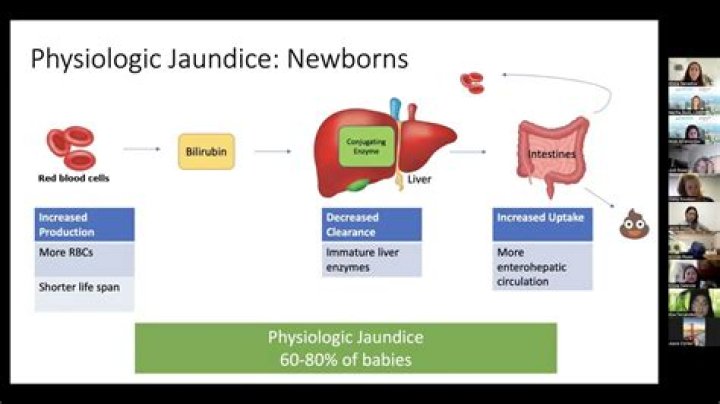
Physiologic jaundice is caused by a combination of increased bilirubin production secondary to accelerated destruction of erythrocytes, decreased excretory capacity secondary to low levels of ligandin in hepatocytes, and low activity of the bilirubin-conjugating enzyme uridine diphosphoglucuronyltransferase (UDPGT).
What is the difference between physiologic and Nonphysiologic jaundice?
Over 75% of neonatal unconjugated hyperbilirubinemia is due to physiologic causes. Physiologic jaundice is also referred to as non-pathologic jaundice, and it is mild and transient. This occurs because of differences in the metabolism of bilirubin in the neonatal period leading to an increased bilirubin load.
How do you manage physiological jaundice?
For moderate or severe jaundice, your baby may need to stay longer in the newborn nursery or be readmitted to the hospital….Treatments to lower the level of bilirubin in your baby’s blood may include:
- Enhanced nutrition.
- Light therapy (phototherapy).
- Intravenous immunoglobulin (IVIg).
- Exchange transfusion.
How is physiological jaundice treated?
How Is Jaundice Treated?
- fluids. A loss of fluids (dehydration) will cause bilirubin levels to rise.
- phototherapy. Babies lie under lights with little clothing so their skin is exposed.
- exchange blood transfusion.
- intravenous immunoglobulin (IVIg).
What does jaundice poop look like?
This is called physiologic jaundice. The baby’s urine is usually light yellow and the stool color is mustard yellow or darker.
Is pathologic or physiologic jaundice worse?
Pathologic jaundice is the most serious type of jaundice. It occurs within 24 hours after birth, and is characterized by a rapid rise in a baby’s bilirubin level. The most likely cause is blood incompatibility or liver disease.
How common is physiologic jaundice?
Breast milk jaundice occurs later in the newborn period, with the bilirubin level usually peaking in the sixth to 14th days of life. This late-onset jaundice may develop in up to one third of healthy breastfed infants. The gut is sterile at birth and normal gut flora takes time to establish.
How can I lower my bilirubin fast?
Quick tips
- Drink at least eight glasses of fluids per day.
- Consider adding milk thistle to your routine.
- Opt for fruits like papaya and mango, which are rich in digestive enzymes.
- Eat at least 2 1/2 cups of veggies and 2 cups of fruit per day.
- Look for high-fiber foods, such as oatmeal, berries, and almonds.
Does physiological jaundice need to be treated?
physiological jaundice – often no treatment required, occasionally phototherapy is needed. breastmilk jaundice – breastfeeding should be continued. Phototherapy is occasionally required in the first few days and typically no treatment is required after that.