What are the special 12 endings in Spanish?
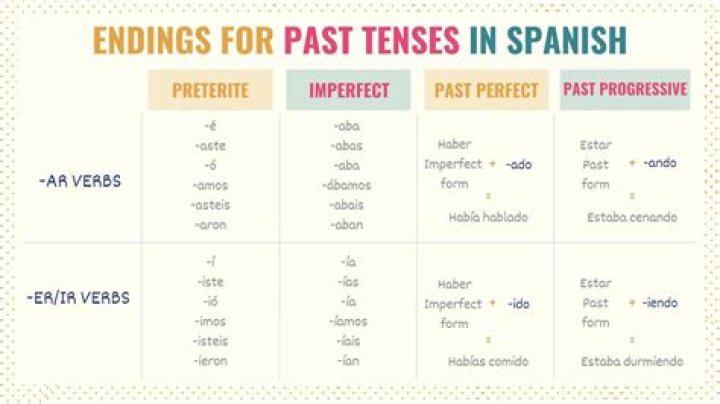
Fortunately, their main endings are similar to what we’ve already learned in this post: –é, –iste, -ó, –imos, –isteis, –ieron/*eron. Below are the 12 verbs, also known as “the dirty dozen.”
Are the correct ending É Aste ó Amos Asteis Aron for AR form verbs?
To form the preterite of regular -ar verbs, take off the -ar ending and add the endings: -é, -aste, -ó, -amos, -asteis, -aron. To form the preterite of regular -er and -ir verbs, take off the -er and -ir endings and add the endings: -í, -iste, -ió, -imos, -isteis, -ieron.
What are the 3 types of endings in Spanish?
1. There are three types of Spanish regular verbs. You’ll easily recognize them by theirs endings: -ar, -er or –ir.
How do you conjugate Preterit verbs in Spanish?
To conjugate a regular verb in the preterite tense, simply remove the infinitive ending (-ar, -er, or -ir) and add the preterite ending that matches the subject….Regular Preterite Verb Endings.
| Subject | -ar Verbs | -er and -ir Verbs |
|---|---|---|
| yo | -é | -í |
| tú | -aste | -iste |
| él, ella, usted | -ó | -ió |
| nosotros | -amos | -imos |
What are the AR verb endings?
The present tense endings for regular -ar verbs are: -o, -as, -a, -amos, -áis, -an. You usually don’t need to give a pronoun in Spanish as the ending of the verb makes it clear who or what is doing the action.
What tense is Aste?
The preterite is used to describe actions which have been completed.
| Person | Verbs ending in -ar | Verbs ending in -er and -ir |
|---|---|---|
| yo | -é | -í |
| tú | -aste | -iste |
| él, ella, usted | -ó | -ió |
| nosotros | -amos | -imos |
What are the verb ending in Spanish?
As we covered in the section on Spanish verbs, all Spanish verbs end in one of the following ways: -ar (examples: amar, asar, borrar, estudiar, hablar, jugar, saltar, tomar) -er (beber, comer, comprender, leer, temer, vender) -ir (mentir, pedir, sentir, subir, vivir)