What does gauge mean in shotgun terms?
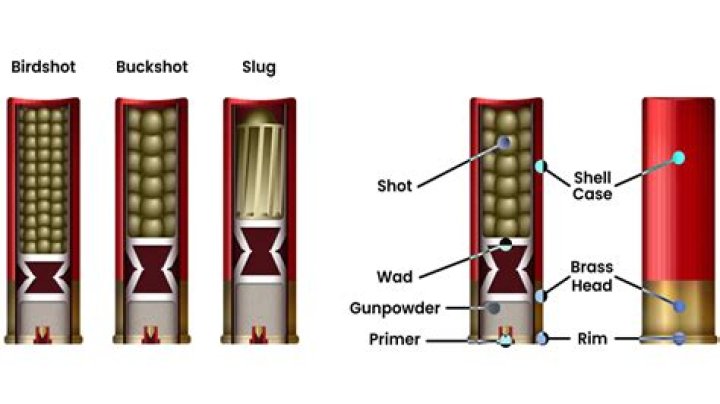
Shotguns are classified by gauge, which is a measure related to the diameter of the smooth shotgun bore and the size of the shotshell designed for that bore. Common shotgun gauges are 10-gauge, 12-gauge, 16-gauge, 20-gauge, and 28-gauge. The smaller the gauge number, the larger the shotgun bore.
Is there a 19 gauge shotgun?
In addition to the gauges shown in the table below, 11-, 13-, 14-, 15- and 19-gauge shotguns have been made at one time or another in the United States, though they no longer are, and 14-, 24-, and 32-gauge guns are still manufactured in Europe. …
What happens if you put a 20-gauge shell in a 12 gauge shotgun?
Smaller shotshells (such as 20-gauge shells), if mistakenly fed into a 12-gauge gun, will slip past the chamber and lodge in the barrel, causing serious personal injury or gun damage if a 12-gauge shell is loaded and fired. Some barrels are not stamped.
What is the difference between 12 gauge and 20 gauge?
In a 12 gauge shell, it will take 12 spherical balls (or shot or pellets or projectiles) of equal size and weight, to equal one pound of shot. In a 20 gauge, it will take 20 balls of equal size and weight to equal one pound of shot.
What is the largest shotgun gauge?
10 gauge
10 gauge – A heavy firearm with a forceful recoil, the 10 gauge is the largest legal shotgun in the United States. It’s not as popular as it once used to be, though it is still in use. It’s used primarily for hunting waterfowl, such as goose and duck.
What is the difference between a 12-gauge and 16-gauge shotgun?
The 16-gauge generally has a lighter recoil or “kick” than the more powerful 12-gauge shell. This lighter recoil can make the 16-gauge slightly easier on your shoulder, which is beneficial if you are participating in high-volume target shooting, duck hunting, or any sport where you fire dozens of shots in a single day.