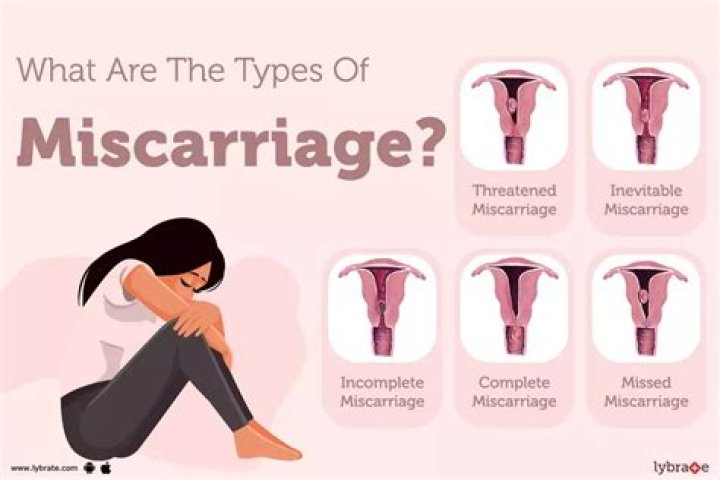
What is the best option for miscarriage?
Medicine: use pills called misoprostol (brand name: Cytotec) to make the miscarriage happen sooner. Suction procedure: have a doctor remove the pregnancy tissue using a simple office procedure.
What painkillers can I take for miscarriage?
Medicine: o Take ibuprofen (Motrin or Advil) 800 mg every 8 hours as needed for pain. Take this with food to avoid an upset stomach. o Your provider may have given you acetaminophen (Tylenol) with codeine or hydrocodone: follow the direction on the label.
How can I increase my chance of miscarriage?
Various factors increase the risk of miscarriage, including:
- Age. Women older than age 35 have a higher risk of miscarriage than do younger women.
- Previous miscarriages.
- Chronic conditions.
- Uterine or cervical problems.
- Smoking, alcohol and illicit drugs.
- Weight.
- Invasive prenatal tests.
Can taking Tylenol cause miscarriage?
Does taking acetaminophen increase the chance for miscarriage? Miscarriage can occur in any pregnancy. Based on available studies, taking acetaminophen at the recommended doses is unlikely to increase the chance for miscarriage.
Can Benadryl cause miscarriage?
Scientists haven’t discovered any link between Benadryl (diphenhydramine) and miscarriage. One 2014 study looked into whether taking antihistamines (including diphenhydramine) in early pregnancy could be associated with an increased risk of miscarriage, but they found no evidence that this was the case.
Can folic acid reduce the risk of miscarriage?
Research suggests that taking 400 micrograms (mcg) of folic acid daily might reduce the risk of birth defects that can lead to miscarriage. Start taking this B vitamin every day before you intend to get pregnant. Continue taking it during pregnancy for the greatest benefits.
Can sit ups cause miscarriage?
However, when it comes to situps, Dr. Vonne Jones, MD, FACOG, says this exercise won’t harm the baby. “There’s essentially no risk to the baby because the amniotic fluid protects it in the uterus, and the uterus is also protected by an abdominal sheet, which is called the abdominal peritoneum,” she says.