Which famous German building can be found on euro coins?
10, 20 and 50-cent coins: the Brandenburg Gate, a symbol of the division of Germany and its subsequent reunification, is the motif used on these coins. The perspective of the design, by Reinhard Heinsdorff, emphasises the opening of the gate, stressing the unification of Germany and Europe.
What is on the German euro?
German euro design The edge lettering features the words “EINIGKEIT UND RECHT UND FREIHEIT” (Unity and Justice and Freedom), Germany’s national motto and the beginning of Germany’s national anthem. Interpretation of the German eagle, symbol of German sovereignty.
How do you know where euro coins are from?
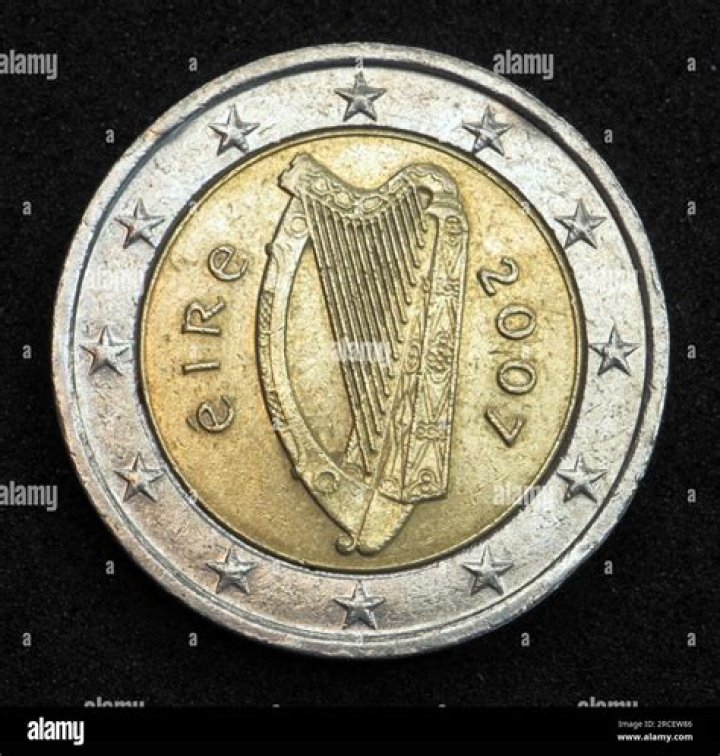
The euro coins have a common side and a national side. The national side indicates the issuing country. The common sides of the coins were designed by Mr Luc Luycx of the Royal Belgian Mint. They show images of the European Union or of Europe and symbolise the unity of the EU.
What is the back of a 1 euro coin in Germany?
The 1 euro coin (€1) is a euro coin with a value of one euro. It is made of two alloys: the inner part of cupronickel, the outer part of nickel brass. All coins have a common reverse side and country-specific national sides….1 euro coin.
| Thickness | 2.33 mm |
| Edge | Alternating segments, three smooth, three finely ribbed |
| Obverse |
|---|
What are the coins called in Germany?
Deutsche Mark
| Deutsche Mark | |
|---|---|
| Freq. used | DM 5, DM 10, DM 20, DM 50, DM 100, DM 200 |
| Rarely used | DM 500, DM 1,000 |
| Coins | |
| Freq. used | 1pf, 2pf, 5pf, 10pf, 50pf, DM 1, DM 2, DM 5 |
What is on the 1 euro coin?
A double portrait of HSH Prince Rainier III and HSH Hereditary Prince Albert appears on the €1 coin. The 10, 20 and 50-cent coins depict the Prince’s seal. The coat of arms of the Sovereign Princes of Monaco is shown on the 1, 2 and 5-cent coins.
How are euro coins different from euro bills?
While the side of the euro coins depicting three different maps of Europe is common to all 12 countries, the country- specific reverse side features designs which reflect each member country’s national identity. All of the banknotes and coins are legal tender in any member country of the euro area.
How many euro bills are there?
seven
Euro notes come in seven denominations: 5; 10; 20; 50; 100; 200; and 500 euros.
What are German coins made of?
These coins were made of copper, aluminum, iron, zinc, and nickel throughout there long history. Marks and 20 pfennig pieces between 1873 and 1877 contain silver, and are therefore somewhat more valuable.